World Conference of Classics
Introduction
The World Conference of Classics is an international symposium dedicated to exploring the enduring legacy of ancient wisdom and its relevance in the modern world. Jointly organized by the Chinese Academy of Social Sciences, the Ministry of Education of China, the Ministry of Culture and Tourism of China, the Ministry of Culture of Greece, and the Academy of Athens in Greece, the inaugural congress was held in Beijing from Nov 6 to 8, 2024. This conference serves as a platform for scholars and experts in classical studies to converge and discuss the intellectual heritage of ancient civilizations. With the theme "Classical Civilizations and the Modern World," the event aims to bridge the gap between past and present, encouraging a deeper understanding of how ancient philosophies and teachings can inform contemporary society. The conference is notable for its collaborative spirit, bringing together participants from over 30 countries to engage in meaningful dialogue and cultural exchange.
Objectives
The primary objective of the World Conference of Classics is to provide a platform for researchers and scholars to exchange ideas and foster consensus on the role of ancient civilizations in contemporary society. By examining classic texts and philosophies, participants aim to draw insights that can address modern challenges and inspire intellectual growth. The conference also seeks to showcase the academic achievements in classical studies, particularly the progress made by Chinese scholars in integrating Western classical studies with traditional Chinese classics. Through workshops, keynote sessions, and cultural activities, the event encourages the exploration of classical wisdom and its application in today's digital era.
Structure
Organizing Committee
The organizing committee of the World Conference of Classics comprises representatives from prominent institutions, including the Chinese Academy of Social Sciences, China's Ministry of Education, Ministry of Culture and Tourism, and the Ministry of Culture of Greece. These organizations collaborate to ensure the smooth execution of the conference, coordinating logistics, program development, and participant engagement. The committee also plays a crucial role in facilitating discussions and setting the thematic focus of the conference, aligning with the overarching goal of promoting classical studies.
Participating Countries
The World Conference of Classics attracts a diverse range of participants from over 30 countries, including South Korea, Japan, Egypt, Germany, Russia, Greece, the United Kingdom, the United States, Argentina, and Australia. This multinational involvement underscores the global interest in classical studies and the universal relevance of ancient wisdom. The participation of scholars from various cultural and academic backgrounds enriches the discussions, offering multiple perspectives on the interpretation and application of classical knowledge.
Events and Activities
Keynote Sessions
Keynote sessions at the World Conference of Classics feature distinguished scholars and experts who address pivotal topics related to classical studies. These sessions delve into the understanding and interpretation of major ancient civilizations, exploring themes such as philology, academic traditions, and the influence of classical thought on modern society. Notable speakers provide insights into how ancient philosophies can resonate with contemporary audiences, offering a platform for thought-provoking discussions and knowledge sharing.
Workshops
The conference hosts a series of workshops aimed at fostering interactive learning and collaboration among participants. These workshops cover a range of subjects, including the translation and interpretation of classical texts, the role of classical wisdom in the digital age, and the future of humanity guided by ancient teachings. Through these sessions, attendees have the opportunity to engage in hands-on activities, develop new skills, and gain a deeper understanding of classical studies.
Cultural Activities
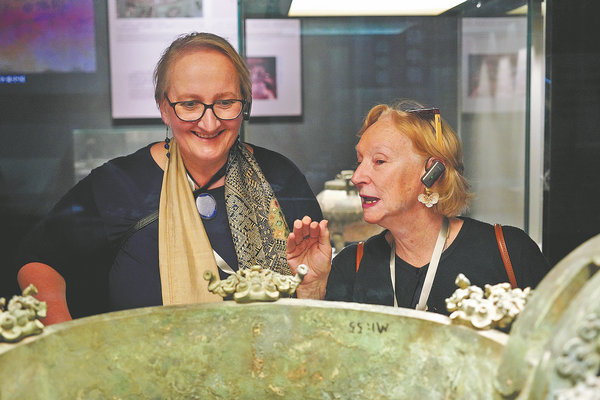
Cultural activities form an integral part of the World Conference of Classics, providing participants with the chance to experience the rich heritage of ancient civilizations firsthand. These activities include visits to key heritage sites, museums, and research institutions in China, offering insights into the historical and cultural contexts of classical studies. Participants are also exposed to traditional arts, music, and performances, enhancing their appreciation of the cultural diversity and creativity that characterize ancient civilizations.
Impact and Significance
The World Conference of Classics holds significant impact in advancing the field of classical studies and promoting cross-cultural understanding. By bringing together scholars from diverse backgrounds, the conference fosters an environment of mutual learning and exchange, encouraging the integration of classical knowledge into modern life. The event highlights the relevance of ancient wisdom in addressing contemporary issues, positioning classical studies as a vital discipline for intellectual and cultural enrichment. Additionally, the conference serves as a platform for showcasing academic progress in classical studies, particularly the contributions of Chinese scholars in bridging Eastern and Western traditions.








